
Academics and researchers
Innovation and research
We use technology, research, and development to increase the efficiency and sustainability of operations and generate new business opportunities. In 2025, we consolidated the Innovation Powerhouse model, which organizes innovation initiatives in Value Deliveries led by business areas, integrating technology, data, automation, and R&D. With this, our portfolio surpassed 70 active initiatives, with an estimated value generation potential of approximately R$ 2 billion.

-
R$ 55 million
 Ícone por nome (compatibilidade; a imagem tem prioridade)invested in alternative energy sources
 -
+70
Ícone por nome (compatibilidade; a imagem tem prioridade)active value deliveries
-
2nd place
Ícone por nome (compatibilidade; a imagem tem prioridade)in the electricity sector - Prêmio Valor Inovação Brasil 2025

Climate strategy
AXIA Energia is committed to being net zero by 2030.
In February 2025, we approved our science-based emissions reduction targets submitted to the Science Based Targets initiative (SBTi). The action plan to achieve this milestone includes decarbonization solutions for suppliers and customers, such as renewable energy certificates (RECFYs), value chain engagement, expansion into new renewable energy markets, adoption of climate criteria for new projects, and investment in projects to offset emissions.
-
Ícone por nome (compatibilidade; a imagem tem prioridade)Approval of science-based targets
-
-77.5%
Ícone por nome (compatibilidade; a imagem tem prioridade)Tons of CO₂e emissions reduction
-
Ícone por nome (compatibilidade; a imagem tem prioridade)Conclusion of the sale of thermal power plants
Biodiversity and water management
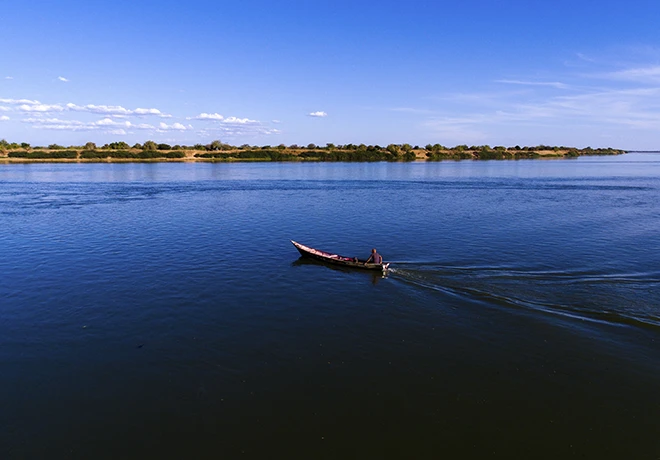
In 2025, we made progress in developing the Biodiversity Policy. We also approved the Nature Action Plan, which aims to identify impacts, risks, and opportunities and achieve net-zero loss, aligned with the Taskforce on Nature-related Financial Disclosures (TNFD) and the Science Based Targets initiative (SBTi). In the same year, we revised the Water Resources Policy, with an emphasis on access to quality water, adaptive planning, and the protection of aquatic ecosystems.
-
Ícone por nome (compatibilidade; a imagem tem prioridade)LEAP approach to biodiversity action plans
-
Ícone por nome (compatibilidade; a imagem tem prioridade)Reducing water consumption through divestment in thermal power plants

Community engagement
AXIA Energia operates in 1,500 municipalities, spans 64 indigenous territories, and engages with 35 indigenous ethnic groups through various initiatives. To strengthen these relationships, impact management in communities prioritizes mitigation, transparency, and fair compensation, with continuous social participation.
-
-67.5%
Ícone por nome (compatibilidade; a imagem tem prioridade)of operations with local community engagement
-
FPIC
Ícone por nome (compatibilidade; a imagem tem prioridade)Free, Prior and Informed Consultation (FPIC) applied to communities